
Want to learn more about Amish traditions, culture, and heritage? Want to see how The Amish Village changes over the seasons? We pack our blog with helpful articles all about the Amish culture and some news about The Amish Village.
Rumspringa Myths vs. Reality: What “Running Around” Actually Looks Like
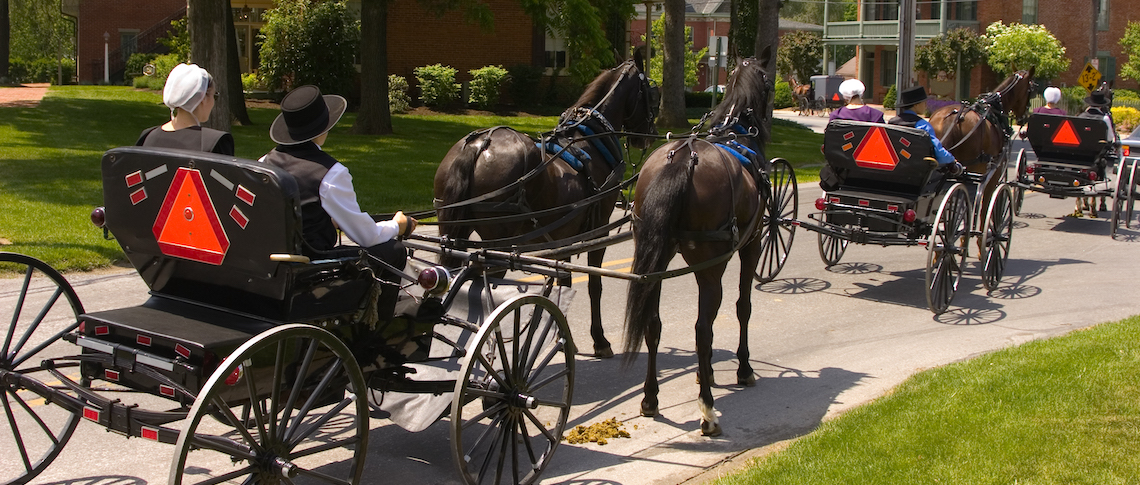
If you’ve ever searched “What is Rumspringa?” after watching a documentary or seeing a viral video, you’re not alone! It’s one of the most misunderstood traditions in Amish culture, and also one of the most interesting.
The truth is that Rumspringa looks very different from what most people expect. And understanding it can give you a whole new appreciation for the Amish way of life.
In this blog, you’ll learn:
- What Rumspringa actually means (and what it doesn’t)
- Why this period is so important to Amish faith and tradition
- What daily life looks like for most Amish teens during Rumspringa
- How often Amish youth actually choose to leave the community
The Legend of the “Wild” Year
If your only exposure to Rumspringa has been through a reality TV show, then you might picture Amish teenagers trading in their plain clothes for nightclubs and big-city living.
It certainly makes for dramatic television, but it’s not an accurate representation of what most Amish youth actually experience.
So, what is Rumspringa?
The word comes from Pennsylvania Dutch German, loosely translating to “running around.”
While that might sound adventurous, the reality is more grounded and definitely more meaningful.
Who Goes Through Rumspringa, and Why?
Rumspringa typically begins around age 16 and serves as a bridge between Amish childhood and Amish adulthood.
It’s rooted in the Amish practice of Believer’s Baptism – the idea that joining the church should be an intentional and personal decision, not something a person is just born into.
During this period, young people who haven’t yet been baptized are not considered full members of the church. Because of that, the community’s strict Ordnung – the set of rules that govern the Amish – is relaxed for them. It’s a time when young people have the space to make an important life decision.
Myth vs. Reality: Is It Really One Big Party?
The pop culture version of Rumspringa has Amish teens escaping to the nearest big city, buying a car, and living a “worldly” life for a year or two. However, most teens don’t experience anything like that.
For the majority of Amish youth, day-to-day life during Rumspringa looks pretty similar to what it did before:
- They continue living at home with their families
- They keep working within the community
- Some youth may experiment with modern clothing, music, or outings like going to the movies – but extreme departures from Amish life are not common
The dramatic stories you may have seen on TV represent a small minority. For most young Amish, Rumspringa is a quieter, personal time for reflection.
Social Life, “Singings,” and Finding a Spouse
One of the most important functions of Rumspringa is social. It’s a time when young Amish people are expected to meet potential spouses and spend time with peers outside of their immediate family circle.
Youth gatherings – like Sunday evening “singings” – are a popular part of Rumspringa. These are social events where the young men and women come together for fellowship and traditional courting. It’s a meaningful part of Amish community life and a time for young people to establish new friendships, find community, and lay the foundation for lifelong relationships.
Do Most Amish Youth Leave the Church?
This is probably the most common question about Rumspringa, and the answer might surprise you!
The majority of Amish youth choose to stay in the church.
Studies and community accounts show that about 85% to 90% of young people who go through Rumspringa will choose baptism and full membership in the Amish church.
That number makes sense when you understand the true purpose of Rumspringa. It isn’t designed to push young people away. It’s designed to make their commitment to the church a sincere one.
Because they have the freedom to choose, they return knowing exactly what they’re saying “yes” to.
Respecting the Journey
Rumspringa is less about running away and more about “coming home” – on purpose and with conviction. It’s a personal rite of passage that reflects one of the most important Amish values: a faith chosen freely is a faith lived fully.
If you’d like to learn more about Amish traditions, heritage, and daily life then you should plan a visit to The Amish Village in Lancaster, PA! Our knowledgeable guides are happy to answer your questions and bring the Amish culture to life.